
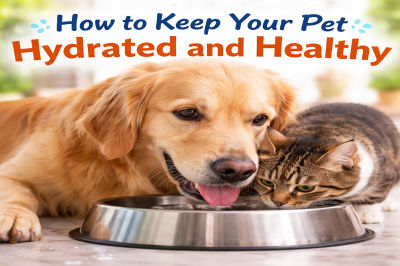
How to Keep Your Pet Hydrated and Healthy

Admin
Blog AuthorPets don’t exactly walk up to us and say, “Hey, I’m dehydrated.†If only it were that simple, right? Instead, they give subtle hints maybe they act sluggish, skip meals, or stare at their empty water bowl like you’ve personally betrayed them.
I’ve had pets most of my life, and trust me, keeping them hydrated is one of the simplest ways to keep them healthy. Yet many pet owners overlook it until summer heat or illness shows up. Ever noticed how your dog drinks like crazy after a long walk? That’s their body begging for hydration.
So let’s talk about how to keep your pet hydrated and healthy, using simple habits that actually work. Nothing complicated, nothing fancy just practical tips that your furry friend will definitely appreciate.
Why Hydration Matters for Pets
Water does far more for pets than just quenching thirst. Hydration supports digestion, regulates body temperature, lubricates joints, and keeps organs functioning properly.
Think about it: when you forget to drink water all day, you feel tired, cranky, and sluggish. Your pet feels the same way except they can’t complain about it.
Proper hydration helps:
Maintain healthy kidneys
Support digestion and nutrient absorption
Regulate body temperature
Improve energy levels
Prevent urinary issues
In short, hydration equals health.
And yes, even cats those mysterious little creatures who pretend they don’t need anything—require proper hydration daily. (My cat acts like water is optional… until it isn’t.)
How Much Water Pets Should Drink Daily
Let’s tackle a big question first: how much water pets should drink daily?
Every pet differs slightly based on size, diet, activity level, and weather. Still, vets generally follow a simple guideline.
General Water Intake Guidelines
Dogs: About 1 ounce of water per pound of body weight daily
Cats: Around 3.5–4.5 ounces per 5 pounds of body weight
For example:
A 20-pound dog should drink roughly 20 ounces of water daily
A 10-pound cat needs about 7–9 ounces per day
But here’s the twist: heat, exercise, and diet change everything.
Pets eating dry kibble usually drink more water. Pets eating wet food often drink less because the food already contains moisture.
Ever watched your dog after a long run? That bowl empties fast.
Signs Your Pet Is Dehydrated and How to Fix It
Pets rarely show dehydration immediately. They give subtle clues first.
So how do you recognize signs your pet is dehydrated and how to fix it before things get serious?
Common Signs of Dehydration
Watch for these warning signals:
Dry nose or sticky gums
Low energy or lethargy
Sunken eyes
Loss of appetite
Excessive panting
Skin losing elasticity
Here’s a quick trick I use: gently pinch the skin on the back of your pet’s neck.
If the skin snaps back quickly, hydration levels look fine. If it stays tented, dehydration might be happening.
What To Do Immediately
If you suspect dehydration:
Provide fresh, clean water immediately
Move your pet to a cool shaded area
Offer small amounts of water frequently
Contact a vet if symptoms persist
Serious dehydration requires professional care. No guesswork there.
How to Keep Your Dog Hydrated in Hot Weather
Summer turns hydration into a serious priority. Dogs can’t sweat like humans, so they rely heavily on panting and water intake.
So let’s discuss how to keep your dog hydrated in hot weather without turning into a paranoid helicopter pet parent.
Smart Hydration Tips for Dogs
Try these simple strategies:
Keep multiple water bowls around the house
Bring water during walks
Avoid midday walks in extreme heat
Add water to dry dog food
Provide shaded resting areas outdoors
I always carry a portable dog water bottle during walks. Sounds extra? Maybe. But my dog drinks happily every time, so IMO it’s worth it :)
Frozen Treats for Hot Days
Dogs love these simple hydration snacks:
Frozen bone broth cubes
Ice cubes with small treats inside
Frozen watermelon pieces (seedless)
These treats cool your dog while boosting hydration.
Easy Ways to Keep Your Cat Hydrated Daily
Cats deserve their own hydration strategy. Unlike dogs, cats often avoid still water.
Ever seen your cat ignore the water bowl but obsess over the sink faucet? Yep… classic cat behavior.
That’s why you need easy ways to keep your cat hydrated daily.
Simple Hydration Tricks for Cats
Try these methods:
Use a cat water fountain
Add wet food to their diet
Place water bowls in multiple rooms
Use wide, shallow bowls
Flavor water with tuna juice occasionally
Cats prefer running water because instinct tells them it’s cleaner.
FYI: once I bought a water fountain for my cat, her water intake doubled overnight.
Coincidence? I doubt it.
Tips to Improve Your Pet’s Hydration Naturally
You don’t always need fancy gadgets or expensive products.
Sometimes the best hydration tricks come from natural, simple adjustments.
Let’s look at a few tips to improve your pet’s hydration naturally.
Add Moisture to Meals
This method works surprisingly well.
Try:
Mixing warm water with dry food
Adding low-sodium broth
Including wet food occasionally
These small additions increase water intake without your pet noticing.
Sneaky? Maybe. Effective? Absolutely.
Offer Hydrating Fruits (In Moderation)
Certain fruits contain high water content and safe nutrients.
Great options include:
Watermelon (seedless)
Cucumbers
Apples (no seeds)
Blueberries
Always introduce new foods slowly.
Your dog may love watermelon… or stare at it like you offered broccoli. Pets have opinions.
Best Ways to Keep Pets Healthy and Hydrated
Hydration works best when combined with consistent daily care habits.
Let’s talk about the best ways to keep pets healthy and hydrated long-term.
Maintain Fresh Water at All Times
This sounds obvious, yet it matters more than you think.
Always provide:
Clean bowls
Fresh water daily
Filtered water if possible
Dirty bowls discourage pets from drinking. And honestly… would you drink from a dusty bowl?
Exactly.
Monitor Water Consumption
Pay attention to changes.
Sudden increases or decreases in drinking can signal:
Kidney issues
Diabetes
Infection
Heat stress
Your pet’s water habits reveal a lot about their health.
Simple Pet Care Habits for Better Health
Hydration works best when paired with good daily routines.
These simple pet care habits for better health create a strong foundation for your pet’s wellbeing.
Build a Healthy Routine
Try to maintain:
Regular feeding times
Daily exercise
Consistent grooming
Clean sleeping areas
Routine vet visits
These habits support strong immune systems and proper hydration levels.
Encourage Active Play
Active pets naturally drink more water.
Playtime ideas include:
Fetch sessions
Puzzle toys
Interactive laser games
Training exercises
Your pet stays physically active and mentally stimulated.
Win-win.
When to Talk to a Veterinarian
Hydration problems sometimes signal deeper health issues.
Contact your vet if you notice:
Persistent vomiting
Severe lethargy
Refusal to drink water
Diarrhea lasting more than 24 hours
Rapid weight loss
Early intervention prevents serious complications.
Your vet appreciates proactive pet parents trust me.
Final Thoughts
Keeping your pet hydrated doesn’t require complicated routines or expensive gear.
Focus on fresh water, smart feeding habits, and daily observation. These small steps make a huge difference in your pet’s health.
Remember the essentials:
Monitor daily water intake
Watch for signs of dehydration
Adjust hydration during hot weather
Add moisture through food and treats
Maintain simple care routines
Your pet depends on you for everything from food to belly rubs to hydration.
So next time you refill that water bowl, take a moment and ask yourself: Is my pet drinking enough today?
A little attention now saves a lot of problems later. And honestly, your furry buddy deserves that effort.